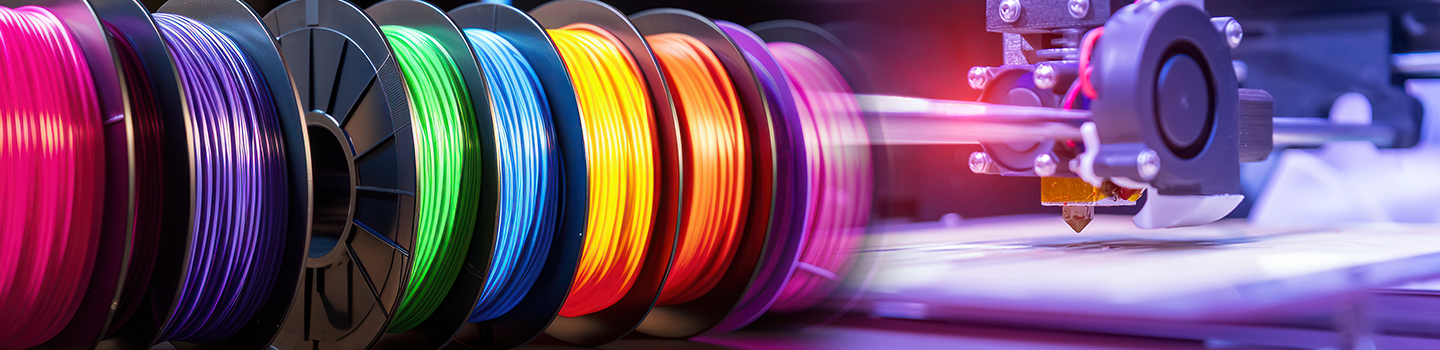
Additive Manufacturing: From Material Design to Printed Performance
Thursday, November 5, 2026
9:00 am - 2:45 pm EST
Location
Conference Center at Waltham Woods
860 Winter St, Waltham, MA 02451
Google Maps
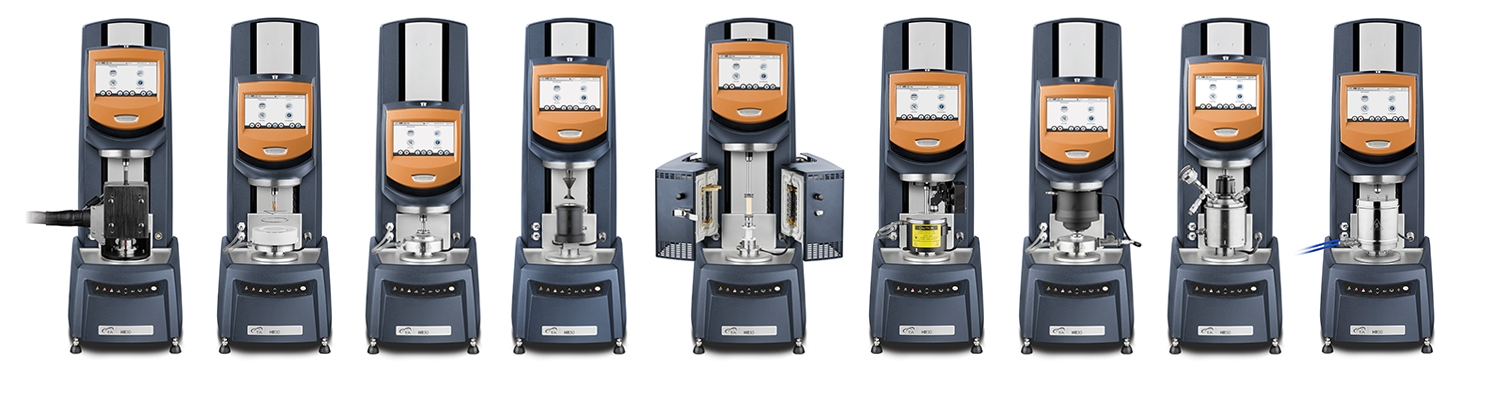
TGA Part 1 - Theory and Instrumentation
Monday, June 22 at 1:00 pm EDT
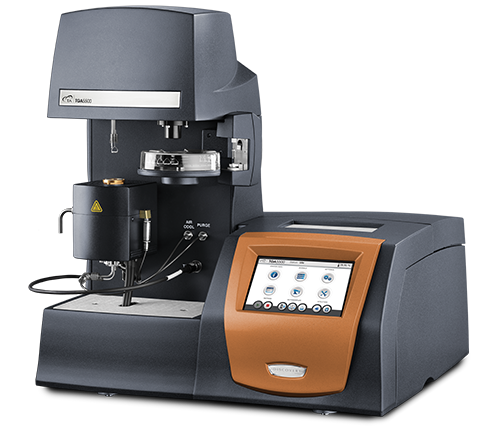
This lecture-based course covers all our TGA instruments, but is mainly designed around the Discovery TGA 55, 550, and 5500 instruments. The course will cover:
- Theory of operation
- Instrumentation
- Experimental parameters
- Software operation
- Calibration
- Maintenance and Troubleshooting
- Applications
Request More Information
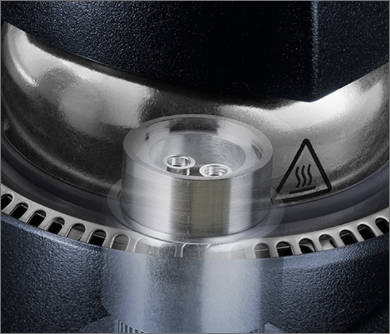
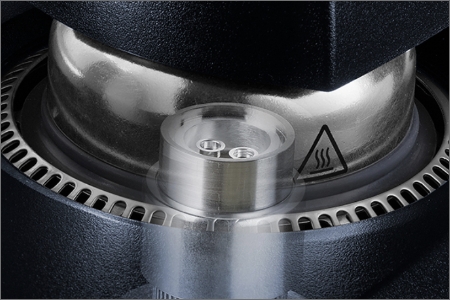
Revolutionary New Fusion Cell™
Revolutionary new Fusion Cell™ further improves the performance on which you’ve come to rely. Better sensitivity, resolution, repeatability and industry leading baseline performance, enable detection of the weakest thermal transitions and the most accurate enthalpy and specific heat capacity.
Powerful TRIOS Software
Revolutionary new Fusion Cell™ further improves the performance on which you’ve come to rely. Better sensitivity, resolution, repeatability and industry leading baseline performance, enable detection of the weakest thermal transitions and the most accurate enthalpy and specific heat capacity.
Modulated DSC®
Revolutionary new Fusion Cell™ further improves the performance on which you’ve come to rely. Better sensitivity, resolution, repeatability and industry leading baseline performance, enable detection of the weakest thermal transitions and the most accurate enthalpy and specific heat capacity.
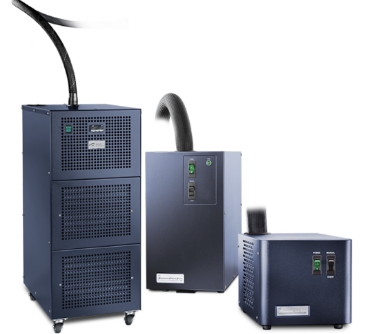
RCS 120 Refrigerated Cooling System
Revolutionary new Fusion Cell™ further improves the performance on which you’ve come to rely. Better sensitivity, resolution, repeatability and industry leading baseline performance, enable detection of the weakest thermal transitions and the most accurate enthalpy and specific heat capacity.
High Throughput DSC Autosampler
Revolutionary new Fusion Cell™ further improves the performance on which you’ve come to rely. Better sensitivity, resolution, repeatability and industry leading baseline performance, enable detection of the weakest thermal transitions and the most accurate enthalpy and specific heat capacity.
New Microscope Accessory
Revolutionary new Fusion Cell™ further improves the performance on which you’ve come to rely. Better sensitivity, resolution, repeatability and industry leading baseline performance, enable detection of the weakest thermal transitions and the most accurate enthalpy and specific heat capacity.
Revolutionary New Fusion Cell™
Revolutionary new Fusion Cell™ further improves the performance on which you’ve come to rely. Better sensitivity, resolution, repeatability and industry leading baseline performance, enable detection of the weakest thermal transitions and the most accurate enthalpy and specific heat capacity.
Powerful TRIOS Software
Discover powerful TRIOS software that delivers exceptional user experience in a combined package for instrument control, data analysis and reporting for thermal analysis and rheology. New features such as automated calibration routines, multiple calibration sets, real-time test method editing, and inter-laboratory data and test method sharing provide unmatched flexibility, while one-click analysis and custom reporting raise productivity to new levels.
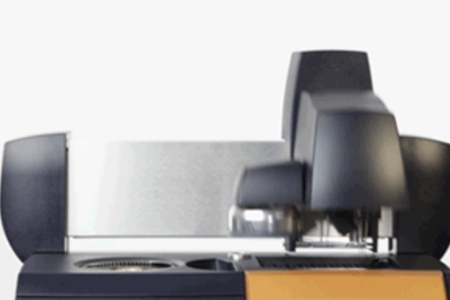
High Throughput DSC Autosampler
It’s hard to believe we could improve on the most reliable DSC autosampler on the market, but we did! The new linear autosampler was designed to be even more rugged and simpler to use than ever before.
Presented by: William Boley, Ph.D.
Assistant Professor, Mechanical Engineering at Boston University
Ink-based printing techniques, such as direct ink writing (DIW) and inkjet printing, provide a means to directly manufacture novel, highly customized multifunctional materials and systems. Critical to these approaches are the rheological properties of the ink form and the mechanical properties of the post-processed form. This talk will highlight the importance of rheology and dynamic mechanical analysis when designing multifunctional inks for applications in soft and stretchable liquid metal - based haptic devices and responsive, shape changing systems.
Presented by: Thomas (TJ) Wallin, Ph.D.
Professor, DMSE
One-pot multimaterial photochemistries enable smooth variations in mechanical properties and conductivity for the direct printing of functional devices. This talk will highlight the design of orthogonal reaction frameworks, the characterization of these materials, as well as highlighting utility in wearable and robotic applications.
Presented by: Scott Twiddy
Materials R&D Lead, Inkbit
Gradient-index (GRIN) lenses can improve antenna performance at mmWave frequencies. I'll introduce GRIN lenses with some application examples, then cover Inkbit's effort to commercialize our cyclic olefin thermoset resin for GRIN lens production, including some of the key challenges we've faced going from R&D to production.
Presented by: Mohammad Tahmasebi
Graduate Research Assistant, University of New Hampshire
This presentation explores the critical role of material characterization in the design and optimization of 3D-printed concrete. Topics include concrete rheology, the influence of mixture constituents on fresh-state performance, and advanced methods for characterizing aggregate particle shape using 2D image analysis and 3D X-ray micro-computed tomography (micro-CT). The session will also examine how particle shape, packing behavior, and rheological properties can be integrated into a more systematic mix-design framework, with connections to flow behavior, extrusion performance, and overall printability.
Presented by: Emre Baburoglu
Applications Scientist, Waters Materials Sciences
This presentation will provide an introduction to rheology, covering what rheological measurements quantify, how rheometers operate, and the fundamentals of oscillatory testing. Attendees will learn how to design and set up curing experiments in TRIOSTM software, including key software considerations, typical test methods, and CHIRPS (fast frequency sweep) testing for curing systems. Finally, we will highlight UV-curing solutions from Waters Materials Sciences and applications, including the Multiwavelength LED accessory for multi-material additive manufacturing and the UV light guide accessory to access a wide range of single wavelengths.
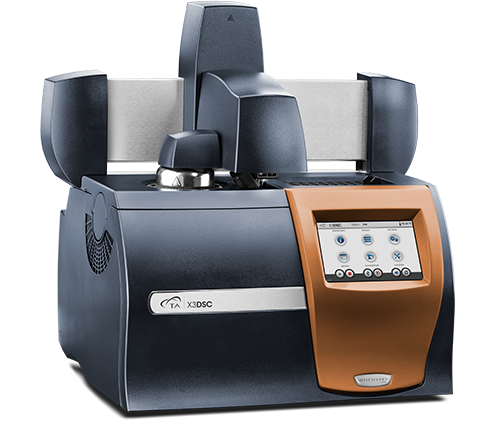
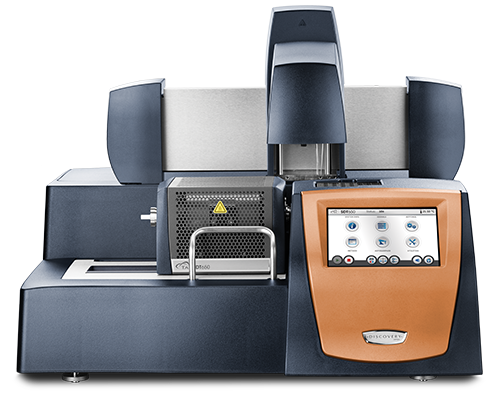
- Fusion Cell™ with patented technology provides unrivaled performance in baseline flatness, sensitivity, resolution, and reproducibility. Its superb technology enables detection of the weakest thermal transitions and the most accurate enthalpy and specific heat capacity measurements.
- Enhanced Tzero heat flow technology for the X3 guarantees temperature and enthalpy accuracy simultaneously on all three samples
- High-end performance with three sample calorimeters provide unmatched flexibility from replicate testing for statistical analysis to validation/verification against a control sample for the ultimate in certainty
- Modulated DSC® (MDSC®) for the most efficient separation of complex thermal events.
- One-Touch-Away™ User Interface enhances usability and access to data on the instrument.
- Reliable linear autosampler with 54 programmable tray positions for worry-free 24/7 operation, flexible programming of experiments, and automated calibration and verification routines.
- Widest range of refrigerated cooling options eliminates liquid nitrogen expense and ensures uninterrupted sub-ambient operation during extended autosampler routines.
- Tzero Press and pans for fast, simple, and reproducible sample preparation.
- Powerful software that delivers an exceptional user experience in a combined package for instrument control, data analysis, and reporting. Features such as automated calibration routines and real-time test method editing provide unmatched flexibility, while One-Click analysis and custom reporting raise productivity to new levels.
- Commitment to quality backed by the industry’s ONLY five-year cell and furnace warranty for peace of mind.
| Instrument Features | |
|---|---|
| Fusion Cell™ | X3 DSC |
| MDSC | ![]() |
| Enhanced Tzero Heat Flow | ![]() |
| User Replaceable Cell | ![]() |
| 54-Position Autosampler | ![]() |
| Dual Input Gas-Delivery Manifold | ![]() |
| Color App-Style Touch Screen | ![]() |
Included |
|
Revolutionary New Fusion Cell™
Revolutionary new Fusion Cell™ further improves the performance on which you’ve come to rely. Better sensitivity, resolution, repeatability and industry leading baseline performance, enable detection of the weakest thermal transitions and the most accurate enthalpy and specific heat capacity.
Powerful TRIOS Software
Revolutionary new Fusion Cell™ further improves the performance on which you’ve come to rely. Better sensitivity, resolution, repeatability and industry leading baseline performance, enable detection of the weakest thermal transitions and the most accurate enthalpy and specific heat capacity.
Modulated DSC®
Revolutionary new Fusion Cell™ further improves the performance on which you’ve come to rely. Better sensitivity, resolution, repeatability and industry leading baseline performance, enable detection of the weakest thermal transitions and the most accurate enthalpy and specific heat capacity.
RCS 120 Refrigerated Cooling System
Revolutionary new Fusion Cell™ further improves the performance on which you’ve come to rely. Better sensitivity, resolution, repeatability and industry leading baseline performance, enable detection of the weakest thermal transitions and the most accurate enthalpy and specific heat capacity.
High Throughput DSC Autosampler
Revolutionary new Fusion Cell™ further improves the performance on which you’ve come to rely. Better sensitivity, resolution, repeatability and industry leading baseline performance, enable detection of the weakest thermal transitions and the most accurate enthalpy and specific heat capacity.
New Microscope Accessory
Revolutionary new Fusion Cell™ further improves the performance on which you’ve come to rely. Better sensitivity, resolution, repeatability and industry leading baseline performance, enable detection of the weakest thermal transitions and the most accurate enthalpy and specific heat capacity.
Refrigerated Cooling Systems (RCS)
Take advantage of the convenient Refrigerated Cooling Systems (RCS) for unattended DSC and MDSC® operation over broad temperature ranges. The new RCS 120 provides enhanced safety and is the only liquid nitrogen-free system capable of conducting experiments down to -120°C.
RCS Features and Benefits:
- One-, Two-, or Three-stage refrigeration systems that achieve temperature ranges down to -40 °C, -90 °C or -120 °C
- Sealed system eliminates the need for liquid nitrogen cooling
- Enables cycling, MDSC®, controlled, and ballistic cooling experiments
- Safe, convenient, and continuous cooling operation for your laboratory needs
TRIOS Software
Discover powerful TRIOS software that delivers exceptional user experience in a combined package for instrument control, data analysis and reporting. New features such as automated calibration routines, multiple calibration sets, real-time test method editing, and inter-laboratory data and test method sharing provide unmatched flexibility, while one-click analysis and custom reporting raise productivity to new levels.
TRIOS Features & Benefits:
- Control multiple instruments with a single PC and software package
- Overlay and compare results across techniques including DSC, TGA, DMA, SDT and rheometers.
- Unlimited licensing and free lifetime software upgrades.
- One-Click analysis for increased productivity.
- Automated custom report generation including: experimental details, data plots and tables, control charts and analysis results.
- Convenient data export to plain-text, CSV, XML, Excel®, Word®, PowerPoint®, and image formats.
- Optional TRIOS Guardian with electronic signatures for audit trail and data integrity.• Modulated DSC® (MDSC®) for the most efficient separation of complex thermal events.
Ease-of-Use
TRIOS software makes calibration of the entire line of Differential Scanning Calorimeters simple. Users can easily generate multiple calibration data sets under varying experimental conditions (e.g. different heating rates or gas selections) and seamlessly switch between them to match the experimental conditions used for sample testing. Real-time signals and the progress of running experiments is readily available, with the added capability of modifying a running method on the fly. TRIOS software offers a level of flexibility that is unmatched in the industry.
TGA Part 1 - Theory & Instrumentation
Monday, June 22 at 1:00 pm EDT
This lecture-based course covers all our TGA instruments, but is mainly designed around the Discovery TGA 55, 550, & 5500 instruments. The course will cover:
- Theory of operation
- Instrumentation
- Experimental parameters
- Software operation
- Calibration
- Maintenance & Troubleshooting
- Applications
TGA Part 2 - Applications
Tuesday, June 23 at 1:00 pm EDT
This lecture-based course covers all our TGA instruments, but is mainly designed around the Discovery TGA 55, 550, & 5500 instruments. The course will cover:
- Theory of operation
- Instrumentation
- Experimental parameters
- Software operation
- Calibration
- Maintenance & Troubleshooting
- Applications
Request More Information
Trade in your Q Series DSC system and SAVE 40% on a NEW Discovery DSC
The world’s finest line of Differential Scanning Calorimeters
Trade in your Q Series DSC system and SAVE 40% on a NEW Discovery DSC
The world’s finest line of Differential Scanning Calorimeters

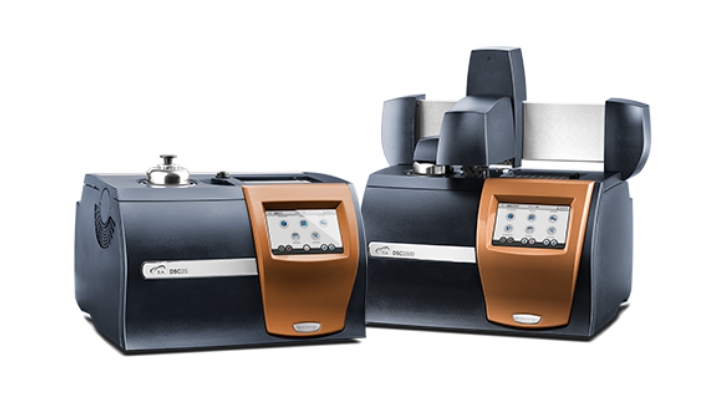
Discovery DSC
- New FusionCell™ with patented technology for unrivaled performance
- Exclusive Tzero® heat flow technology for ultimate DSC performance
- Unmatched baseline stability that requires no subtractions
- New linear 54-position autosampler
TGA Part 1 - Theory & Instrumentation
Monday, June 22 at 1:00 pm EDT
This lecture-based course covers all our TGA instruments, but is mainly designed around the Discovery TGA 55, 550, & 5500 instruments. The course will cover:
TGA Part 1 - Theory & Instrumentation
Monday, June 22 at 1:00 pm EDT
This lecture-based course covers all our TGA instruments, but is mainly designed around the Discovery TGA 55, 550, & 5500 instruments. The course will cover:
TGA Part 1 - Theory & Instrumentation
Monday, June 22 at 1:00 pm EDT
This lecture-based course covers all our TGA instruments, but is mainly designed around the Discovery TGA 55, 550, & 5500 instruments. The course will cover:
TGA Part 1 - Theory & Instrumentation
Monday, June 22 at 1:00 pm EDT
This lecture-based course covers all our TGA instruments, but is mainly designed around the Discovery TGA 55, 550, & 5500 instruments. The course will cover:
TGA Part 1 - Theory & Instrumentation
Monday, June 22 at 1:00 pm EDT
This lecture-based course covers all our TGA instruments, but is mainly designed around the Discovery TGA 55, 550, & 5500 instruments. The course will cover:
TGA Part 1 - Theory & Instrumentation
Monday, June 22 at 1:00 pm EDT
This lecture-based course covers all our TGA instruments, but is mainly designed around the Discovery TGA 55, 550, & 5500 instruments. The course will cover:
TGA Part 1 - Theory & Instrumentation
Monday, June 22 at 1:00 pm EDT
This lecture-based course covers all our TGA instruments, but is mainly designed around the Discovery TGA 55, 550, & 5500 instruments. The course will cover:
TGA Part 1 - Theory & Instrumentation
Monday, June 22 at 1:00 pm EDT
This lecture-based course covers all our TGA instruments, but is mainly designed around the Discovery TGA 55, 550, & 5500 instruments. The course will cover:
TGA Part 1 - Theory & Instrumentation
Monday, June 22 at 1:00 pm EDT
This lecture-based course covers all our TGA instruments, but is mainly designed around the Discovery TGA 55, 550, & 5500 instruments. The course will cover:
TGA Part 1 - Theory & Instrumentation
Monday, June 22 at 1:00 pm EDT
This lecture-based course covers all our TGA instruments, but is mainly designed around the Discovery TGA 55, 550, & 5500 instruments. The course will cover:
Discovery DSC
- New FusionCell™ with patented technology for unrivaled baseline flatness, sensitivity, and resolution
- Exclusive Tzero® heat flow technology for ultimate DSC performance
- Unmatched baseline stability that requires no subtractions
- New linear 54-position autosampler
Discovery SDT
- Simultaneous DSC/TGA
- Advanced modes for heat capacity, kinetic studies, and better resolution
- Horizontal dual-beam design for superior heat flow and weight measurements
- New 30-position autosampler with programmable tray positions
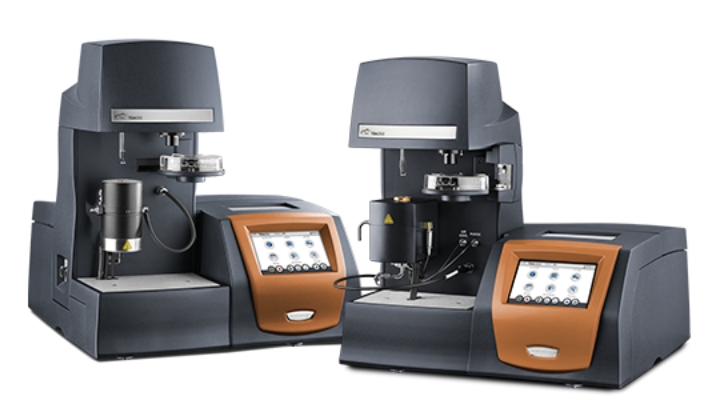
Discovery TGA
- New ultrasensitive proprietary Tru-Mass™ thermobalance
- The most accurate real-time data
- Superior atmosphere control to meet the most demanding applications
- Rugged & reliable automation
Discovery DSC
- New FusionCell™ with patented technology for unrivaled baseline flatness, sensitivity, and resolution
- Exclusive Tzero® heat flow technology for ultimate DSC performance
- Unmatched baseline stability that requires no subtractions
- New linear 54-position autosampler
Discovery DSC
- New FusionCell™ with patented technology for unrivaled baseline flatness, sensitivity, and resolution
- Exclusive Tzero® heat flow technology for ultimate DSC performance
- Unmatched baseline stability that requires no subtractions
- New linear 54-position autosampler
Discovery DSC
- New FusionCell™ with patented technology for unrivaled baseline flatness, sensitivity, and resolution
- Exclusive Tzero® heat flow technology for ultimate DSC performance
- Unmatched baseline stability that requires no subtractions
- New linear 54-position autosampler
Abstracts
Influence of Fused Deposition Modeling Parameters on Thermal and Mechanical Properties of 3D Printed PEEK Dental Implants
Polyetheretherketone (PEEK) has emerged as a promising alternative to titanium dental implants due to its favorable properties. However, the performance of the 3D-printed PEEK dental implants depends heavily on the processing parameters used in fused deposition modeling (FDM). In this presentation, we evaluate the effects of FDM parameters, including nozzle, bedplate, and chamber temperatures, on the thermal and mechanical properties of 3D printed dental implants. We also highlight the critical role of Differential Scanning Calorimetry (DSC) in establishing a relationship between processing-induced crystallinity and the resulting mechanical properties.
Meet the Speakers
![]() |
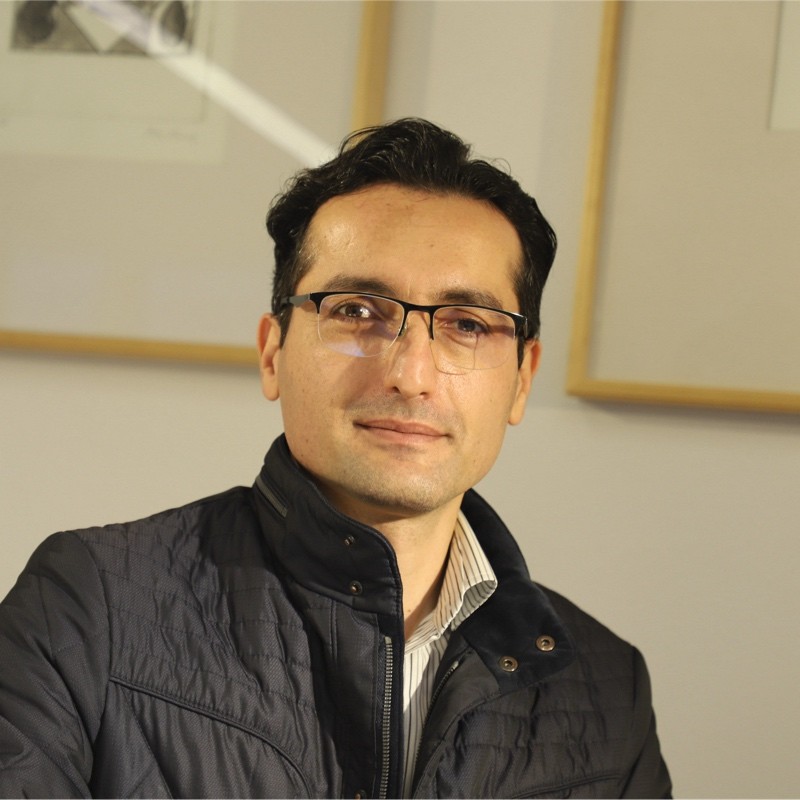
Karim Elhattab, Ph.D. Applications Scientist Dr. Karim Elhattab is an Applications Scientist at TA Instruments, where he provides technical support and applications consultation and develops scientific content. Prior to joining TA Instruments, Dr. Elhattab was an adjunct faculty member in the Department of Mechanical, Industrial, and Manufacturing Engineering at the University of Toledo. He earned his master's degree in chemical engineering and his Ph.D. in Biomedical Engineering from the University of Toledo. His doctoral research focused on additive manufacturing and the development of advanced composites for biomedical applications. Dr. Elhattab has more than 10 years of experience in materials characterization and has co-authored journal publications and delivered various technical talks at leading conferences and expos on additive manufacturing, biomaterials, polymers, composites, and materials characterization. He is also a member of the North American Thermal Analysis Society (NATAS). |
![]() |
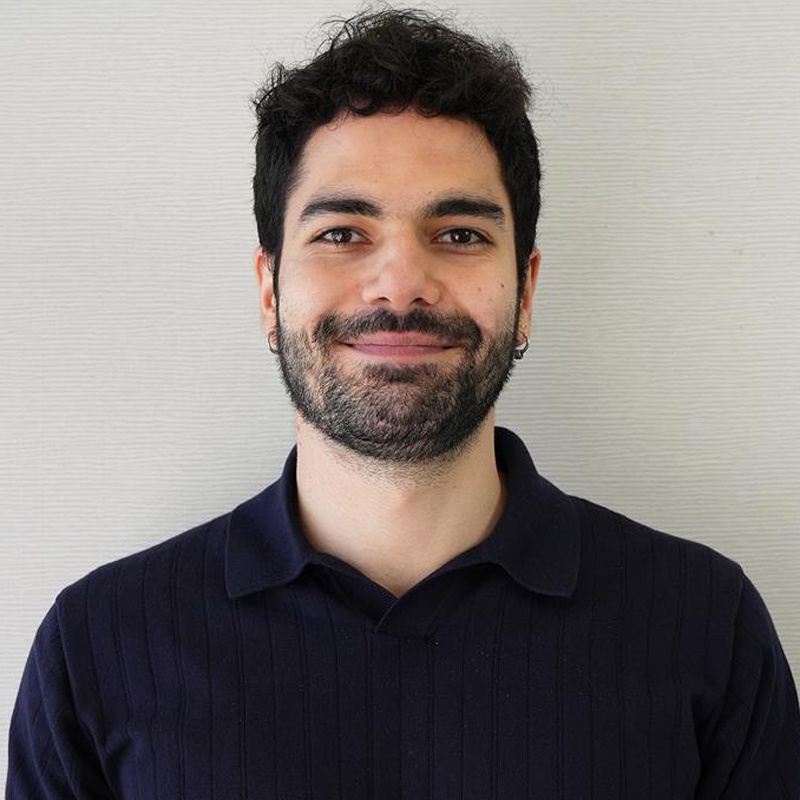
Emre Baburoglu, Ph.D. Field Applications Scientist Emre Baburoglu earned a PhD in Materials Science and Engineering from Drexel University, where he developed electrical methods to probe colloidal microstructures particularly focusing on battery electrode processing. He currently works as a Field Applications Scientist at Waters Materials Sciences based in Milford, MA. In his spare time, he enjoys playing a lively game of ping pong with his colleagues. |
![]() |
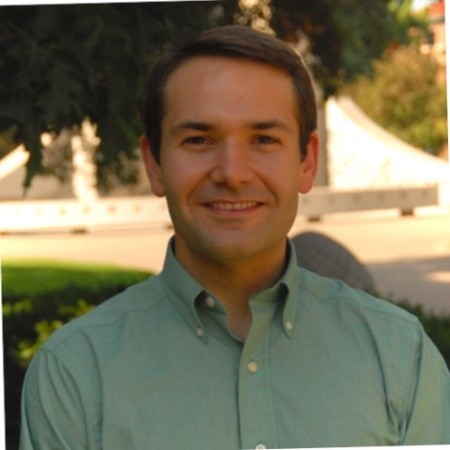
Will Boley, Ph.D. Assistant Professor, Mechanical Engineering |
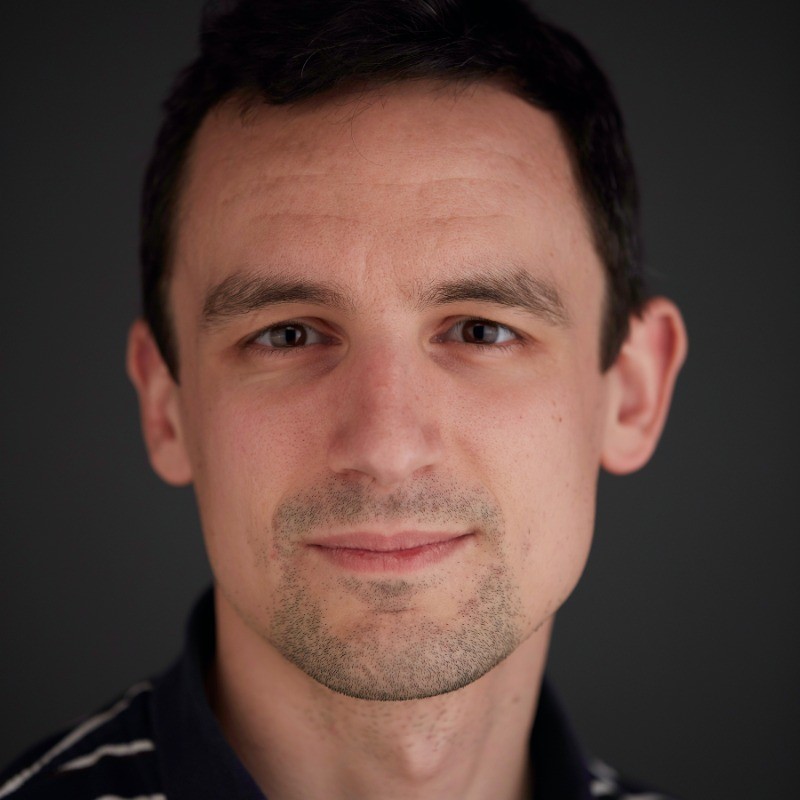
![]() |
Scott Twiddy Materials R&D Lead |
![]() |
Mohammad Tahmasebi Graduate Research Assistant |
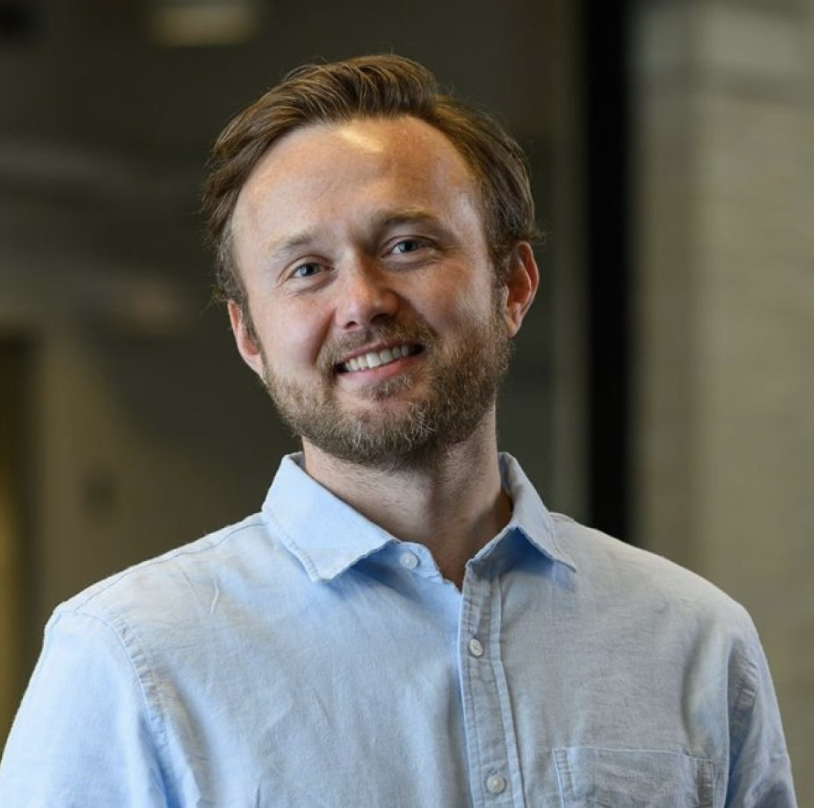
![]() |
Thomas (TJ) Wallin, Ph.D. Professor, DMSE |
Join us for a free one-day seminar bringing together researchers, scientists, and engineers who are advancing the field of additive manufacturing. Hear from leading researchers and industry experts as they share how material characterization techniques are helping drive innovation across a wide range of real-world 3D printing applications, from printed electronics and soft robotics to concrete, dental implants, and UV-curable materials.
Whether you're developing new materials, optimizing processes, or pushing the limits of additive manufacturing applications, this seminar offers practical insights you can apply immediately. Attendance is free and includes a continental breakfast, lunch, and invaluable networking opportunities throughout the day. Reserve your spot today and be part of the conversation shaping the future of additive manufacturing!
Agenda
|
9:00 am - 9:30 am |
Check-In/Breakfast |
|
9:30 am - 10:45 am |
Presentations |
|
10:45 am - 11:00 am |
Break |
|
11:00 am - 12:00 pm |
Presentations |
|
12:00 pm - 1:00 pm |
Lunch |
|
1:00 pm - 2:00 pm |
Presentations |
|
2:00 pm - 2:45 pm |
Optional Product Demos & Networking |
Register Now
Request More Information
* Some modules and OEM products are excluded. Trade in required to receive discount. Please contact your local TA representative for more details. Deals valid for systems purchased and delivered before September 18, 2020.